
Waste to Wardrobe: The Journey of Recycled Materials in Uniforms

The demand for sustainable workwear is more significant than ever as businesses across the UK strive to adopt greener practices. Many are turning to sustainable uniforms made from recycled materials. But how exactly does waste transform into functional clothing? Let’s take a closer look at the lifecycle of recycled materials in uniform production and understand the impact of this transition on the industry.
Table of Contents
- Step 1: The Collection of Recyclables
- Step 2: Sorting and Processing
- Step 3: Shredding and Repurposing
- Step 4: Manufacturing New Fabrics
- Step 5: Designing Sustainable Uniforms
- The Impact on the Environment
- Caring for Your Sustainable Workwear in a Sustainable Way
Step 1: The Collection of Recyclables
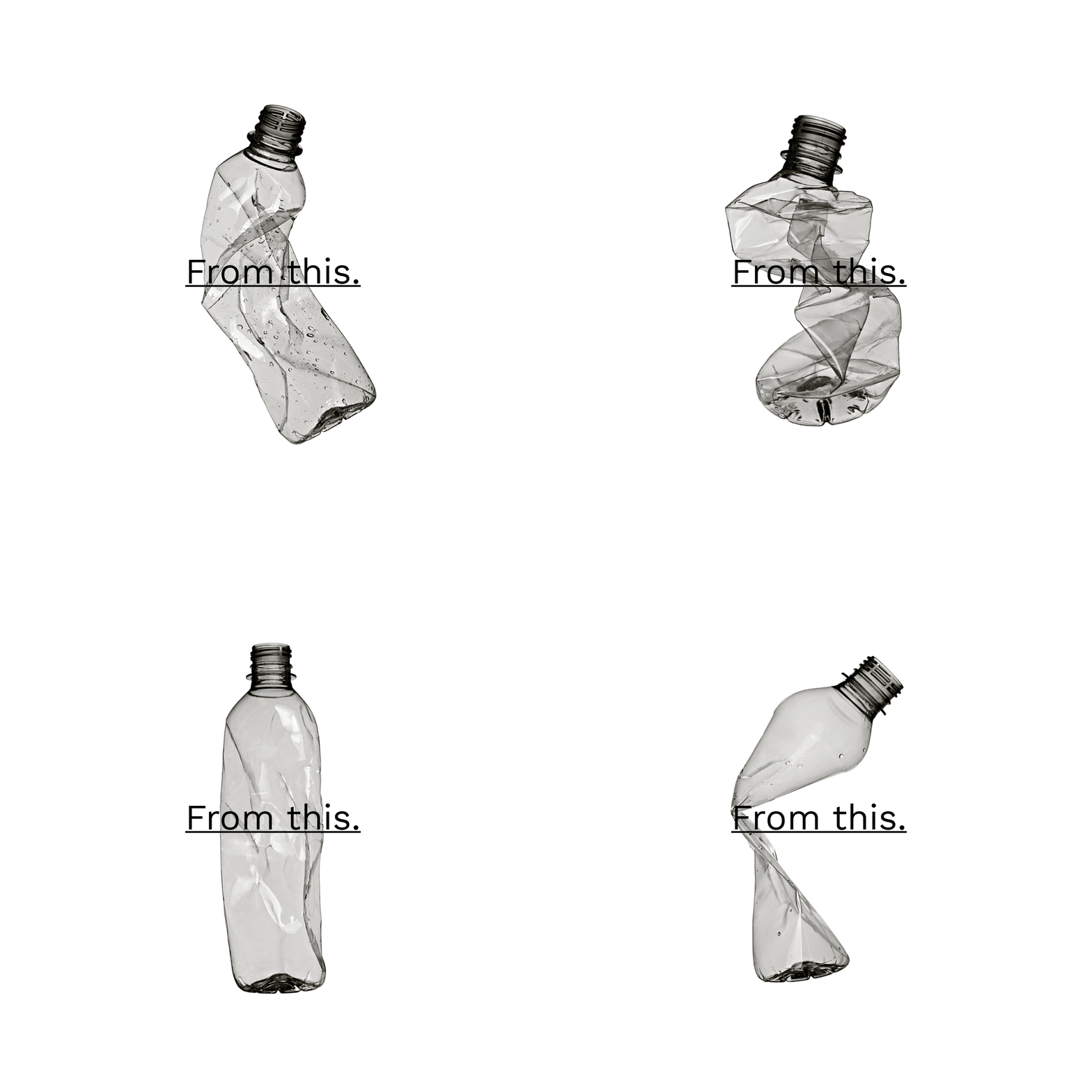
The journey begins with the collection of recyclable materials, such as discarded plastics and textiles. These materials are gathered from various sources, including post-consumer waste, production offcuts, and textile recycling programs. By diverting waste from landfills, businesses contribute to a more sustainable future while supporting the circular economy.
Step 2: Sorting and Processing
Once collected, the recyclable materials undergo sorting and processing. This step is crucial to ensure that only suitable materials are used in the production of eco-friendly workwear. The sorting process separates plastics, fabrics, and other materials based on their type and quality. After sorting, the materials are cleaned and prepared for the next stage of the recycling process.
Step 3: Shredding and Repurposing
The sorted materials are then shredded into smaller pieces. For plastics, this means transforming bottles and containers into small pellets that can be melted down. For textiles, the process involves breaking down the fabric into fibres that can be spun into yarn. This repurposing stage is essential for creating the foundation of sustainable work clothes.
Step 4: Manufacturing New Fabrics
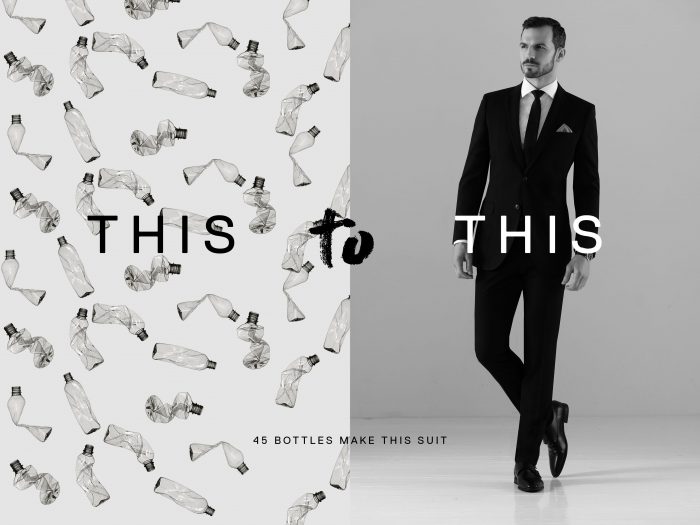
The recycled materials are now ready to be transformed into new fabrics. For instance, recycled polyester, made from plastic bottles, is combined with other sustainable materials to create durable and functional textiles. These fabrics can then be used to produce a wide range of recycled workwear, including outdoor jackets, polo shirts, and sweatshirts.
Other popular choices include sustainable suiting, such as suit jackets and trousers, which are all designed to withstand the rigours of everyday work environments.
Step 5: Designing Sustainable Uniforms
With the newly created fabrics in hand, designers can begin crafting ethical workwear that meets the needs of businesses and their employees. The focus is on creating stylish and functional uniforms that reflect the company’s values while minimising environmental impact. By choosing sustainable uniforms, companies not only enhance their brand image but also demonstrate a commitment to social responsibility.

The Impact on the Environment
By embracing recycled materials in uniform production, businesses can significantly reduce their carbon footprint. The use of recycled fabrics conserves natural resources, reduces energy consumption, and minimises waste. This shift toward sustainable workwear in the UK aligns with global efforts to combat climate change and promote sustainable practices across industries.
Caring for Your Sustainable Workwear in a Sustainable Way
To maximize the lifespan of your sustainable work clothes, it’s essential to care for them properly, and doing so sustainably makes a big difference. Here are some eco-friendly tips for maintaining your garments:
- Wash at Lower Temperatures: Whenever possible, wash your workwear in cold water. This not only saves energy but also helps preserve the fabric quality over time.
- Air Drying: Instead of using a tumble dryer, let your workwear air dry. This reduces energy consumption and is gentler on the fabric, helping to extend its lifespan.
- Avoid Excessive Washing: Try to wear your workwear, including body warmers and recycled soft shell jackets, multiple times before washing, unless they are heavily soiled. Spot cleaning can often be a good alternative for minor stains.
- Use Eco-Friendly Detergents: Choose biodegradable and eco-friendly detergents that are gentle on both your clothes and the environment, ensuring that products like our sustainable uniforms retain their quality.
By following these sustainable care practices, you can ensure your sustainable workwear continues to serve its purpose while minimising environmental impact.
Conclusion
The journey from waste to wardrobe showcases the incredible potential of recycled materials in the production of sustainable uniforms. By choosing eco-friendly workwear, businesses contribute to a more sustainable future while providing their employees with high-quality, functional clothing.
What’s more, the majority of our sustainable workwear and uniforms can be customised with your company branding, ensuring that your team not only looks great but also represents your brand’s commitment to sustainability. With over 30 years of experience in providing high-quality branded workwear, PCL is here to help you make the right choice for your business.
As the demand for sustainable workwear grows, so too does the opportunity for companies to make a positive impact on the environment and their communities. Embrace the change and be part of the solution by investing in recycled uniforms today!
Feel free to get in touch with us for more information on how we can assist you in selecting and branding the perfect sustainable uniforms for your team!

Comments are closed here.